

Multi processor (Video)
In complex video workflows, signal handling rarely stops at simple input and output. Integrating multiple sources, processing image data in real time, and maintaining stable video quality across a system often requires a dedicated processing layer. That is where Multi processor (Video) equipment becomes relevant for broadcast environments, inspection systems, test setups, and other professional video applications.
Within a broader video equipment ecosystem, these devices support tasks such as signal management, format-related processing, image adjustment, and multi-stage distribution logic. For technical buyers, system integrators, and engineering teams, the key value is not just processing power, but how well a unit fits into the required workflow, source configuration, and downstream devices.
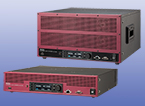
Where multi video processors fit in a professional setup
A multi video processor is typically used when a system needs to handle more than one video path, combine processing functions, or support a more flexible signal chain than a single-purpose device can provide. In practice, this may involve routing-related tasks, image handling, synchronization support, or preparing a signal for recording, monitoring, or further analysis.
These systems are often considered as part of a larger equipment stack rather than as isolated devices. For example, a processor may work alongside a video recorder when processed output needs to be archived, reviewed, or used in quality verification. In this context, the processor helps ensure that the signal reaching the recorder is already optimized for the intended use.
Typical use cases in video analysis and signal processing
The need for a multi processor becomes clearer when several video sources or processing stages must be coordinated. Engineering and technical teams may use this type of equipment in image evaluation workflows, production support systems, display environments, or test benches where multiple signals need to be prepared and managed consistently.
In some installations, the processor acts as a bridge between acquisition and visualization. A source may be captured, conditioned, and then passed to a display-oriented device or another specialized subsystem. Where advanced image generation or rendering is involved, related categories such as video rasterizers may also become relevant, depending on how the system is designed.
What to consider when selecting a multi processor
The right choice depends on the structure of the video chain and the purpose of the installation. A buyer should first clarify how many sources need to be handled, whether the system requires simultaneous processing paths, and how the processor will interact with recorders, cameras, transfer devices, or analytical tools. This helps narrow down whether the focus should be on signal flexibility, integration convenience, or processing stability.
It is also important to evaluate the surrounding equipment rather than looking at the processor alone. In high-resolution or next-generation imaging environments, compatibility with upstream capture devices may be especially important. For projects working with advanced imaging formats, reviewing related hardware such as 8K video cameras can help define practical system requirements before selecting the processing stage.
Integration with other video equipment
Multi processors often sit between source devices and output or storage equipment, making them a central point for workflow coordination. In a real deployment, they may support signal preparation before transfer, recording, display, or frame-based analysis. This role makes them especially relevant in applications where consistency across multiple outputs matters.
When a workflow includes dedicated handling of transmission or interface conversion, adjacent devices such as a video transfer box may be used alongside the processor. The processor itself is not simply a passive connector in that chain; it contributes to how the signal is managed, conditioned, and delivered across the wider system.
Operational priorities for technical buyers
For B2B procurement, the evaluation process usually goes beyond basic functionality. Teams often need to balance installation requirements, maintenance expectations, compatibility with existing infrastructure, and the level of control required in day-to-day operation. A professional video processing workflow should support reliable repeatability, especially when video handling affects inspection results, archived evidence, or production output.
Another practical consideration is future system growth. A processor chosen for today’s workflow may later need to fit into a more complex environment with additional capture channels, higher-resolution sources, or expanded analysis tasks. Selecting with scalability in mind can reduce integration effort later and help maintain continuity across related video equipment investments.
How this category supports broader system design
Unlike single-function accessories, multi processors are usually part of a more deliberate architecture. They can help simplify system design by consolidating handling steps that would otherwise be split across several devices. For engineers, this may improve workflow clarity; for purchasing teams, it can make category-level comparison more practical when reviewing solutions for a specific line, lab, or facility.
They are also useful when a setup needs more controlled interaction between acquisition, storage, transfer, and visual processing stages. In that sense, this category supports not only hardware selection but also system-level planning, especially in environments where video signals are part of technical analysis rather than simple viewing.
Choosing based on application, not just device type
Not every video system requires a multi processor, but when multiple signals, processing stages, or output requirements are involved, this category becomes much more relevant. The most effective selection approach is to start from the real application: what signal enters the system, what processing is needed, and what device or team depends on the result.
By assessing the processor within the complete video chain, buyers can make more informed decisions and reduce mismatches between equipment roles. For organizations building or upgrading professional video systems, the Multi processor (Video) category is best viewed as a functional link that helps connect source handling, image processing, and downstream video operations in a more controlled and scalable way.
-
-
-
-
-
-
-
-
-
-
-
-
-
-
-
-
-
-
-
-
-
-
-
-