

8K Camera (Video)
Higher-resolution imaging has become increasingly important in inspection, broadcasting, advanced visualization, and technical video workflows where fine detail cannot be compromised. When a project demands more pixels, wider framing flexibility, and clearer analysis of small features, 8K Camera (Video) products become a practical category to evaluate rather than simply a headline specification.
For B2B buyers, the real question is not only whether an 8K format is available, but how the camera fits into the wider signal chain, recording environment, and review process. This category is relevant for teams building or upgrading professional video systems that need high-detail capture for production, validation, archiving, or image analysis.
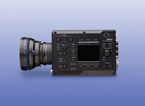
Why 8K video capture matters in technical and professional environments
An 8K camera is typically selected when image detail, crop flexibility, and large-format display output all matter at the same time. In practical terms, higher pixel density can help operators review fine structures, zoom into recorded footage with less loss of useful information, and support workflows where one source image may be repurposed for multiple views or outputs.
In industrial, research, and media-related settings, this can be valuable for documentation, visual verification, event capture, and high-end content creation. It is also relevant where recorded footage may later be examined frame by frame, especially when small visual differences need to be preserved as clearly as possible.
Where this category fits in a video equipment workflow
An 8K camera is only one part of a broader video system. Capture quality depends not just on the camera itself, but also on how the signal is transferred, stored, monitored, and reviewed across the workflow. That is why buyers often assess this category alongside supporting equipment rather than treating the camera as a stand-alone purchase.
For example, footage may be paired with a video recorder for acquisition and archiving, or integrated with a video transfer box when signal routing or interface conversion is needed. In more specialized image-processing chains, related hardware can also support analysis, rendering, or structured handling of captured data.
Typical use cases for 8K cameras
This category can support several different use cases, and each one places slightly different demands on the camera system. In production-oriented environments, 8K capture may be used to future-proof content, enable digital reframing, or maintain image quality on very large displays. In technical applications, the priority may shift toward preserving small details for observation, documentation, or downstream analysis.
Another common use case is high-resolution source capture for processing pipelines that break the image into regions, frames, or derived outputs. In these situations, the value of 8K is not simply visual sharpness, but the ability to retain more information from the original scene. That can be helpful when teams need both overview context and close-up review from the same recording source.
Key considerations when selecting an 8K camera
The most effective way to compare options in this category is to start with the actual workflow requirement. Buyers should consider intended use, expected output format, storage and bandwidth capacity, and whether the camera will be used for live output, recorded capture, or both. A high-resolution device can place significant demands on transmission, processing, and recording infrastructure, so system compatibility matters as much as headline image resolution.
It is also useful to evaluate how the camera will interact with downstream equipment. If the footage will be reviewed in detailed analytical workflows, related tools such as a frame memory board may be relevant in the wider system design. If the application involves graphics conversion or image generation in a more complex video chain, a rasterizer may also be part of the supporting environment.
How 8K cameras support image quality and operational flexibility
The main advantage of this category is not just more pixels, but greater visual information density. That can improve post-capture flexibility, support cleaner scaling for presentation, and help teams preserve useful detail during review. In some workflows, this allows one camera position to serve multiple downstream purposes, reducing the need for separate capture setups.
There is also a planning benefit. Organizations investing in high-resolution video systems often want a platform that can remain relevant as display standards, delivery expectations, and analysis needs continue to evolve. A carefully chosen 8K camera can therefore support both current requirements and longer-term infrastructure planning, provided the rest of the video chain is sized appropriately.
Related equipment to consider before purchase
Because 8K video places heavier demands on the full system, selection should include more than camera comparison alone. Storage capacity, transfer interfaces, monitoring strategy, and playback capability all influence whether the captured resolution can actually be used efficiently in day-to-day operations. This is especially important in B2B environments where reliability and repeatability matter more than isolated product specifications.
Teams building a complete high-resolution workflow may also review adjacent categories such as 8K camera solutions themselves alongside recording, transfer, and processing hardware already planned for the installation. Looking at the full chain early helps reduce integration issues and makes it easier to align capture performance with operational goals.
Choosing the right category for your application
Not every project needs 8K, but for applications where detail retention, large-format presentation, or image reuse are important, this category deserves serious consideration. The right choice depends on how the camera will be deployed within the larger video environment, including signal handling, storage, and analysis requirements.
When comparing options in the 8K Camera (Video) category, it is best to evaluate the camera as part of a complete workflow rather than in isolation. That approach leads to better compatibility, more efficient deployment, and a system that delivers usable high-resolution performance in real operating conditions.
-
-
-
-
-
-
-
-
-
-
-
-
-
-
-
-
-
-
-
-
-
-
-
-