

Rasterizer (Video)
When a video workflow has to convert image data into a displayable pixel structure with speed and consistency, the quality of the rasterizing stage becomes critical. In broadcast engineering, imaging systems, test environments, and specialized visual processing setups, selecting the right Rasterizer (Video) equipment helps maintain stable rendering, predictable output behavior, and compatibility across connected devices.
This category is intended for buyers who need reliable video processing hardware for integration into larger signal chains. Whether the goal is image generation, video analysis support, or display-oriented processing, rasterizer devices are typically considered as part of a broader ecosystem that may also include recording, transfer, and high-resolution capture equipment.
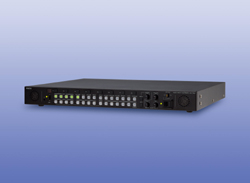
Where rasterizers fit in a video system
A rasterizer handles the conversion of visual data into a raster image structure that can be processed, displayed, or forwarded within a video chain. In practical terms, this function matters wherever image information must be organized into a pixel-based output format suitable for screens, analysis tools, or downstream video hardware.
In technical environments, rasterizers are often evaluated not as isolated devices but as part of a complete workflow. They may be used alongside video recording equipment when processed output needs to be archived, or in systems where signal handling and display preparation must remain synchronized across multiple stages.
Typical application scenarios
Video rasterizers can support a wide range of professional use cases, especially where image data must be rendered accurately and consistently. Common environments include laboratory setups, development platforms, inspection systems, visualization pipelines, and specialized video processing installations where stable output is more important than consumer-oriented features.
They are also relevant in high-resolution workflows that interact with advanced imaging devices. For projects involving ultra-high-definition capture, it may be useful to review related equipment such as 8K camera systems to understand how rasterization supports the broader path from image acquisition to output and analysis.
What to consider when choosing a Rasterizer (Video)
The most important selection criteria usually depend on the surrounding system rather than on the rasterizer alone. Buyers should confirm how the unit will interact with the source format, the required output path, the target resolution, and the timing constraints of the application. In engineering and industrial contexts, system compatibility is often more important than simply comparing isolated product labels.
It is also useful to consider installation requirements, integration complexity, and whether the rasterizer will operate continuously or as part of a test bench. If the workflow includes data buffering or image retention for analysis, related categories such as frame memory boards may provide useful context for designing a more complete solution.
Rasterizers in analysis, display, and processing workflows
In many professional environments, rasterization is closely linked to signal preparation and visual interpretation. A stable rasterized output helps downstream equipment work with a predictable image structure, which is especially useful in analysis tasks, validation setups, and controlled visualization processes.
Depending on the architecture, a rasterizer may sit between image generation and output distribution, or between source processing and display hardware. In larger systems, it can be paired with transfer and interface devices that help route signals between subsystems. Where signal movement is part of the challenge, related options such as a video transfer box may also be relevant.
How this category supports technical procurement
For B2B buyers, the value of a focused category page is not just product visibility but faster technical screening. A dedicated Rasterizer (Video) category helps engineers, integrators, and purchasing teams narrow down devices intended for professional video handling without sorting through unrelated consumer hardware.
This is especially helpful when procurement decisions involve multiple stakeholders. Engineering teams may focus on interface and workflow fit, while sourcing teams may need a clearer product grouping for quotation, comparison, and replacement planning. A structured category makes that process more efficient and supports better communication between technical and commercial roles.
Building a more complete video equipment setup
Rasterizers are rarely the only component in a working installation. They are more often selected as one part of a broader video equipment ecosystem that can include capture devices, signal distribution hardware, storage, and analysis tools. Looking at adjacent product groups can help identify dependencies early and reduce integration issues later in the project.
That broader perspective is particularly useful when building or upgrading specialized systems. Instead of evaluating each item in isolation, it is often more effective to define the full path of the signal first, then select the rasterizer and surrounding hardware that best support the intended operating conditions.
Final considerations
Choosing the right Rasterizer (Video) solution starts with understanding the role it plays inside the overall signal chain. Resolution handling, output consistency, workflow compatibility, and integration needs all matter more than generic feature comparisons when the equipment is being used in a professional or industrial environment.
If you are reviewing options for a new build, system upgrade, or replacement project, this category can serve as a practical starting point for comparing devices intended for structured video rendering and processing tasks. From there, it becomes easier to align rasterizer selection with the rest of the equipment required for a dependable video workflow.
-
-
-
-
-
-
-
-
-
-
-
-
-
-
-
-
-
-
-
-
-
-
-
-