

Video Transfer box
In video test environments, image quality is only part of the equation. Signal routing, format handoff, interface conversion, and stable transmission between devices are just as important when building a reliable workflow. That is where a Video Transfer box becomes useful, especially in setups that need clean integration between cameras, analyzers, recorders, and display or processing equipment.
Whether the application involves broadcast testing, laboratory evaluation, development work, or industrial imaging, the right transfer hardware helps reduce compatibility issues and simplifies system expansion. This category is intended for users who need practical video signal connectivity within a broader measurement, validation, or production environment.
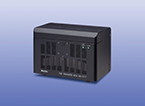
Where a video transfer box fits in a signal chain
A video path often includes multiple devices with different roles: image capture, conversion, analysis, recording, and display. In many cases, these devices do not connect directly without some form of interface adaptation or signal transfer stage. A video transfer box is commonly used to bridge those points in the chain and maintain a workable connection between equipment.
Depending on the workflow, this type of device may be selected to support cleaner signal distribution, more convenient connection points, or a better organized bench setup. In technical environments, that can improve repeatability during testing and reduce setup time when switching between sources, displays, and analysis tools.
Common use cases in technical and industrial environments
Video transfer hardware is relevant in more than one type of application. In R&D or validation labs, teams may need to move video signals between source equipment and analysis systems without repeatedly rebuilding the setup. In production or inspection environments, a transfer device can help integrate upstream and downstream equipment in a more structured way.
It can also be useful in workflows that include high-resolution imaging, data capture, or comparison testing. For example, systems that work alongside an 8K camera may require careful handling of signal flow and interconnection, especially when the test bench includes multiple devices with different roles.
Selection factors that matter
When choosing equipment in this category, the first step is to look at the actual video workflow rather than the product name alone. Users typically need to confirm interface compatibility, source and destination device requirements, installation format, and how the unit will be used within the broader system. This is especially important when the transfer box is expected to support repeated testing or integration across several stations.
It is also helpful to think about how the device will interact with adjacent equipment categories. A system that includes a video recorder or downstream processing hardware may benefit from a more deliberate approach to signal handoff, cable management, and workflow consistency. In practice, the best choice is usually the one that matches the real operating environment with the least unnecessary complexity.
Supporting analysis, capture, and processing workflows
Video transfer boxes are often part of a larger ecosystem rather than standalone endpoints. In a test or analysis setup, they may sit between image sources and processing tools, helping operators organize signal flow more clearly. This can be useful when teams need to compare outputs, connect temporary equipment, or isolate specific parts of the signal path during troubleshooting.
For users working with advanced video analysis systems, adjacent equipment such as a rasterizer may be part of the same workflow. In these cases, the transfer stage contributes to a more controlled environment for evaluation, even when the main focus is not on conversion itself but on the accuracy of downstream observation and testing.
Why system integration matters more than standalone specifications
In B2B procurement, the challenge is rarely just finding a single device. The bigger concern is whether it will work smoothly with the rest of the installed equipment. A transfer box should therefore be considered as part of the complete signal architecture, including source devices, storage, analysis tools, and display endpoints.
This is particularly relevant in facilities where reconfiguration happens often. Engineering teams may need to connect different benches, move between validation stages, or align video transport with memory and processing hardware such as a frame memory board. Looking at the full signal chain usually leads to better purchasing decisions than evaluating each component in isolation.
Practical considerations for procurement teams
For buyers, integrators, and technical managers, category-level selection should start with the application objective: signal transfer, workflow stabilization, test bench organization, or equipment interoperability. Once that goal is clear, it becomes easier to narrow down suitable options and avoid overbuying features that are not relevant to the project.
It is also useful to involve both engineering and operations stakeholders early in the process. The people who install, maintain, and regularly reconfigure the system often identify practical constraints that are not obvious from a high-level equipment list. That input can help ensure the selected unit fits the physical layout, usage pattern, and broader video environment.
Choosing the right category for your workflow
If your requirement centers on moving or bridging signals between devices, this category offers a focused starting point. It is most relevant when the priority is dependable connection within a larger video system rather than image capture or recording alone. Users comparing several equipment paths should assess where the signal originates, where it needs to go, and how often the workflow changes.
A well-matched transfer solution can make a video setup easier to manage, easier to troubleshoot, and more adaptable over time. By evaluating compatibility, workflow role, and integration needs together, buyers can select a practical Video Transfer box that supports the wider system without adding unnecessary complexity.
-
-
-
-
-
-
-
-
-
-
-
-
-
-
-
-
-
-
-
-
-
-
-
-