

Monitor (Video)
In video production, inspection, and signal evaluation, the display is often where critical decisions are made. A monitor is not just a screen for viewing content; it is a practical reference point for checking image detail, confirming signal output, comparing sources, and supporting accurate workflow decisions across test benches, studios, broadcast environments, and industrial video systems.
Monitor (Video) products in this category are intended for users who need dependable visual feedback as part of a wider video equipment setup. Whether the goal is reviewing captured footage, observing live feeds, checking transmission results, or supporting analysis tasks, the right monitor helps create a more controlled and efficient signal path.
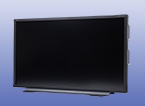
The role of video monitors in technical workflows
In professional environments, video monitors support much more than simple playback. They are commonly used to observe image stability, check framing, monitor source switching, and verify that connected equipment is delivering the expected visual output. This makes them relevant in applications ranging from recording and transmission to system setup and troubleshooting.
Within a broader video recorder workflow, for example, a monitor can help operators confirm that incoming or stored content is being displayed correctly. In evaluation or testing setups, it also serves as a convenient interface for comparing signal behavior before and after processing.
Where this category fits in a video equipment ecosystem
A video monitor usually works as part of a connected system rather than as a standalone endpoint. It may be positioned alongside capture devices, transfer hardware, analysis tools, or other supporting equipment used to move, convert, or review video signals. Because of that, selection should be based not only on display size or appearance, but also on how the monitor fits the overall signal chain.
In some setups, the monitor complements a video transfer box by providing immediate visual confirmation after routing or signal handoff. In other cases, it is used with source equipment and evaluation tools to help technicians or operators detect visible issues during installation, maintenance, or live operation.
What to consider when choosing a video monitor
The most suitable monitor depends on the intended use environment. For routine observation, users may focus on screen visibility, viewing comfort, and compatibility with available video outputs. For more technical tasks, buyers often pay closer attention to signal handling, display clarity, response behavior, and how easily the monitor can be integrated into racks, benches, mobile systems, or control rooms.
It is also useful to think about the operating context: continuous monitoring, short-term inspection, live switching support, or image review during equipment testing. A good selection process starts with the signal source, the type of content being viewed, and the level of visual accuracy needed for the job rather than choosing purely by general display format.
Typical use cases for Monitor (Video) products
Video monitors are widely used in broadcast support, laboratory environments, industrial imaging systems, and technical service operations. They can assist with live observation, output confirmation, playback review, and side-by-side checking during system commissioning or maintenance. In each case, the monitor acts as a practical checkpoint between signal generation and final use.
They may also be valuable when working with specialized image systems such as 8K camera equipment, where clear visual review becomes part of the overall workflow. Even when the monitor is not the primary device in the chain, it often plays a key role in helping users identify visible artifacts, framing issues, or mismatches between expected and actual output.
How monitors support video analysis and image verification
When video systems are being evaluated, visual confirmation remains an important layer of inspection. Measurements and signal tools provide technical data, but a monitor helps translate that data into visible image behavior. This is especially useful when checking motion, image continuity, source transitions, or content integrity during operation.
In more advanced environments, a monitor may be used alongside tools such as a rasterizer to support a broader verification process. The analysis tool helps interpret the signal technically, while the monitor gives the operator a direct visual reference for what is actually being shown.
Selection priorities for B2B buyers
For B2B purchasing, monitor selection is often influenced by workflow compatibility, long-term maintainability, and installation requirements. Teams may need equipment that can be deployed consistently across multiple stations, integrated into existing video infrastructure, or assigned to dedicated functions such as source monitoring, review, or engineering support. This is why purchasing decisions often go beyond display preferences and focus on operational fit.
Integration, usability, and application matching are usually more important than generic consumer-style comparisons. Buyers should also consider how the monitor will be used by technicians, operators, or engineers on a daily basis, and whether it supports the expected working conditions without adding unnecessary complexity.
Building a practical video monitoring setup
A well-planned setup treats the monitor as part of a complete viewing and verification path. Placement, connectivity, source compatibility, and operator access all affect the value of the display in day-to-day use. In compact systems, the monitor may serve as the main observation point; in larger systems, it may act as one of several visual references across capture, transfer, and review stages.
Video monitoring works best when matched to the actual task: routine observation, technical checking, signal confirmation, or content review. Choosing with that purpose in mind helps avoid overcomplicating the system while still supporting clear and reliable visual control.
Choosing the right category for your application
If your requirement is centered on dependable visual review within a professional signal chain, this category is a practical place to start. Monitor (Video) products support image observation and workflow verification across many types of video equipment environments, making them useful in both operational and technical contexts.
For projects that involve recording, source routing, camera-based capture, or deeper signal analysis, it can also be helpful to review related equipment categories and select components that work together as part of the same system. A suitable monitor is often the element that makes the rest of the setup easier to verify, operate, and maintain over time.
-
-
-
-
-
-
-
-
-
-
-
-
-
-
-
-
-
-
-
-
-
-
-
-