

Mounting machines
Reliable specimen preparation starts long before microscopic analysis. In metallography and materials testing, a well-mounted sample is easier to handle, safer to grind, and more consistent during polishing and inspection. This is why mounting machines remain a core part of the sample preparation workflow in laboratories, quality control rooms, and industrial testing environments.
On this category page, you can explore mounting solutions used to encapsulate or secure specimens before downstream preparation steps. These systems are commonly selected when operators need better edge retention, more convenient handling of small or irregular parts, and improved repeatability across multiple samples.
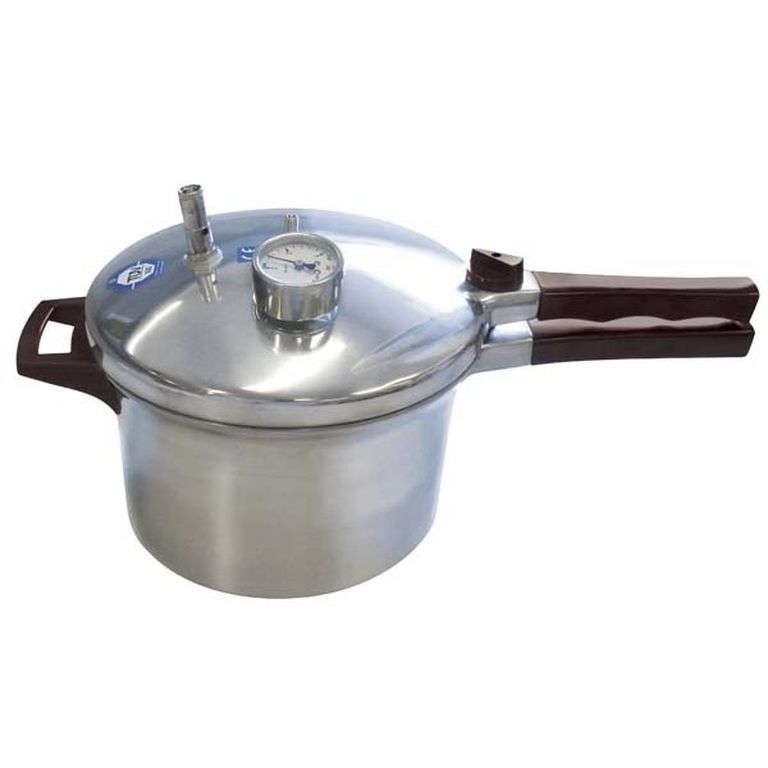
Why mounting matters in metallographic preparation
A mounted specimen is easier to control throughout the preparation process, especially when the original sample is small, thin, sharp-edged, or difficult to hold safely. Proper mounting helps create a more stable form factor for subsequent cutting, grinding, and polishing operations, which can reduce handling errors and improve workflow consistency.
In many labs, mounting is not treated as an isolated step. It works as part of a broader preparation chain alongside a sample cutting machine and a grinding metallographic polishing machine. When these stages are aligned, operators can prepare specimens with more predictable geometry and better readiness for microscopic examination.
Common types of mounting machines in this category
This category includes equipment for both manual mounting and more automated hot mounting workflows. The right choice depends on specimen throughput, operator preference, available utilities, and the level of control needed for temperature, pressure, and cycle repeatability.
Manual systems are often suitable for smaller labs, routine preparation, or environments where straightforward operation is preferred. More advanced or semi-automatic models are typically chosen when users want more controlled mounting cycles, higher throughput, or the ability to process samples with less operator intervention.
Examples of mounting equipment available
For laboratories seeking compact manual solutions, models such as the Mikrosize MPress-1 Manual Metallographic Mounting Press and Mikrosize MPress-2 Manual Metallographic Mounting Press provide a practical approach to routine hot mounting. These systems are typically considered when users need a dedicated mounting station without moving into a fully automated format.
Where more automation is required, Mikrosize iPress-2HA and iPress-4HA models offer hydraulic-pressure-based operation with controlled mounting conditions. In the Trojan range, options such as the MT-1H Mounting Press, MT-2H Semi-Automatic Hot Mounting Machine, and FlexPRESS series illustrate how mounting systems can scale from single-sleeve operation to more flexible production-oriented workflows.
Some applications may also call for UV curing rather than conventional thermal mounting. The Trojan UVmount Curing Machine is a useful example of equipment intended for UV-based specimen preparation, supporting workflows where light-curing methods are preferred for specific sample types or handling requirements.
How to choose the right mounting machine
The first consideration is usually sample volume and throughput. A lab handling occasional specimens may prioritize a simpler manual press, while facilities processing many samples per shift often benefit from semi-automatic or automatic systems that improve consistency and reduce operator workload.
Next, review the specimen size and mounting diameter required in your process. Some machines are better suited to standard mold sizes, while others provide broader flexibility for different sample formats. If your workflow includes multiple operators or standardized test procedures, repeatable control over heating, pressure, and cooling can become more important than basic machine size alone.
Cooling method, available power supply, and installation footprint also matter in practical terms. Compact bench units can work well in limited lab space, while larger hydraulic or programmable systems may be more suitable for dedicated preparation areas with higher daily utilization.
Manual, semi-automatic, and automatic operation
Manual mounting presses are often selected for their simplicity, lower training barrier, and direct operator control. They can be a good fit for educational labs, lower-throughput environments, or applications where experienced technicians prefer to manage each cycle directly.
Semi-automatic and automatic mounting systems are typically preferred when process repeatability is a higher priority. Controlled heating and cooling sequences, touch-based interfaces, and multi-sleeve capability can help streamline operation and support more uniform specimen preparation across batches.
For users comparing broader press-based equipment beyond metallographic preparation, some manufacturers also offer hot press systems for related industrial applications. For example, Cometech includes hot press equipment such as the QC-677C Manual Hot Press and QC-674A Programmable Hot Press, which may be relevant when evaluating pressure-and-heat-based processing solutions across different testing or manufacturing contexts.
Mounting machines within the wider sample preparation workflow
Mounting improves the handling characteristics of a specimen, but the final preparation result depends on the full process sequence. After mounting, samples typically move to grinding and polishing stages where surface planarity, edge quality, and finish are developed for inspection. Because of this, selecting a mounting machine should be done with the entire preparation route in mind, not as a standalone purchase.
In many cases, users comparing specimen preparation equipment may also want to review adjacent categories such as engraving machine solutions for marking and identification. This can be especially useful in labs where traceability and sample organization are important parts of the testing workflow.
Brands commonly considered in this category
This category features mounting-related equipment associated with manufacturers such as Trojan, Mikrosize, and Cometech, along with other established names in industrial testing and laboratory equipment. Different brands may appeal to different priorities, including compact design, operator interface preferences, automation level, or compatibility with existing preparation routines.
Rather than choosing only by brand name, it is usually more effective to compare machines by workflow fit: specimen type, operating mode, available utilities, target throughput, and the degree of control needed for repeatable sample preparation. That approach often leads to a more suitable long-term equipment decision.
Final considerations before ordering
When selecting from this range of mounting machines, it helps to start with the practical realities of your lab: how many samples you process, how standardized your procedures are, and whether you need a simple press or a more controlled mounting platform. Looking at the complete specimen preparation chain will usually make the decision clearer.
A well-matched mounting system supports easier handling, more consistent preparation, and smoother downstream analysis. If you are building or upgrading a metallographic workflow, this category is a useful place to compare equipment types, operating styles, and representative models before moving to the next preparation stage.
-
-
-
-
-
-
-
-
-
-
-
-
-
-
-
-
-
-
-
-
-
-
-
-