

Sample Cutting Machine
Accurate specimen preparation starts long before grinding, polishing, or measurement. In many laboratories and industrial quality environments, the first critical step is obtaining a clean, representative section without introducing excessive heat, deformation, or structural damage. That is where Sample Cutting Machine solutions play an essential role in the workflow.
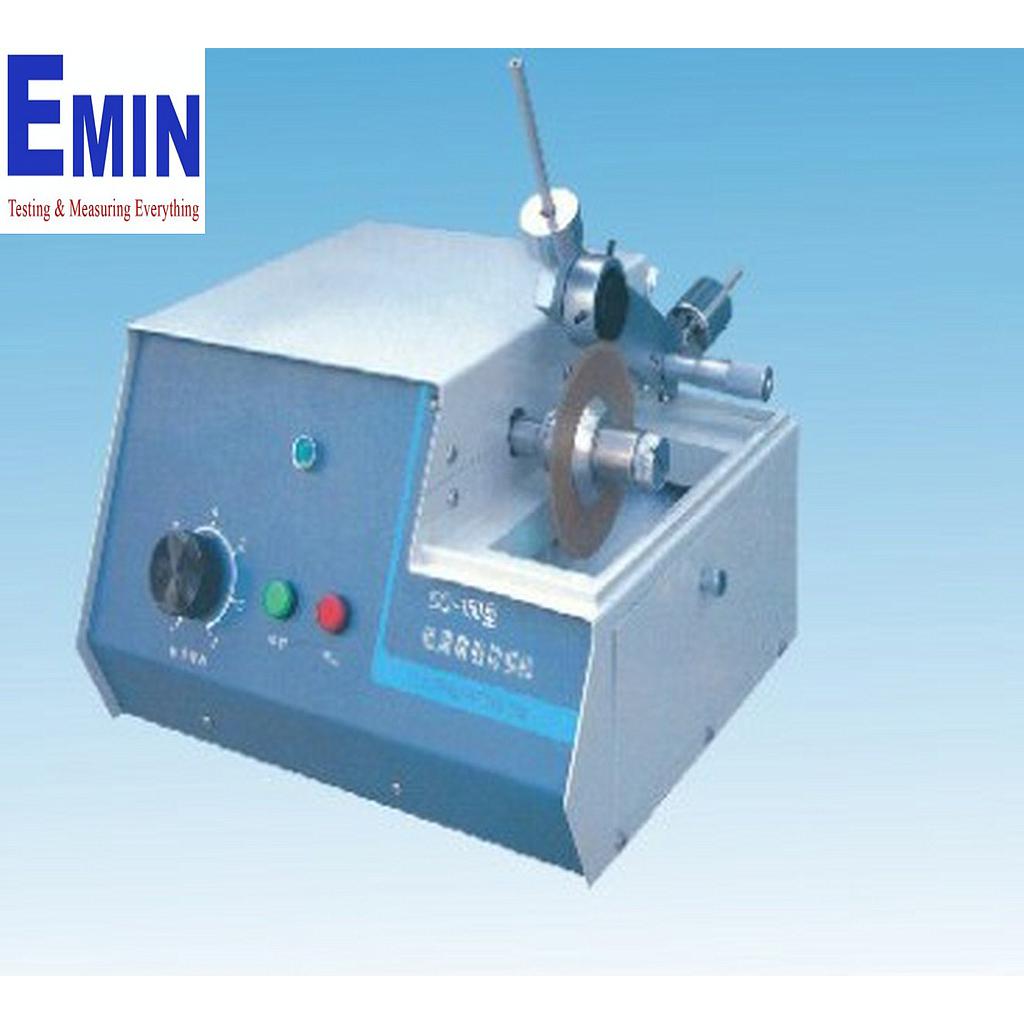
This category brings together equipment used to cut test pieces and material samples for metallographic preparation, physical testing, and related lab processes. Depending on the sample size, material type, and required cutting precision, users may need anything from a compact manual cut-off unit to a larger automatic system with controlled feed and multiple cutting modes.
Where sample cutting machines fit in the preparation process
Sample cutting is typically one part of a broader preparation chain. After sectioning, the specimen may move on to mounting equipment for easier handling, followed by surface finishing on grinding and metallographic polishing machines. Each stage affects the reliability of later inspection and analysis.
A well-matched cutting machine helps preserve the original structure of the sample, which is especially important when preparing metal sections for microstructural observation or quality verification. In practical terms, the goal is not simply to separate material, but to do so with enough control that downstream preparation remains efficient and repeatable.
Manual and automatic cutting options for different workloads
The category includes both manual cut-off machines and automatic cut-off machines, serving different operating needs. Manual machines are often suitable for routine sectioning, lower sample volumes, or applications where operator control is preferred. Automatic systems are typically chosen when repeatability, programmable movement, and higher throughput become more important.
Examples from Trojan illustrate this range well. Compact manual models such as the CT-2300 and CT-250S are appropriate for smaller workpieces, while the CT-300 and CT-250V extend capability for larger sections and adjustable speed requirements. For more advanced workflows, automatic systems such as the Beta-250, Beta-300Pro, Beta-400Pro, Beta-500Pro, and TableCut-200 support controlled feed and broader cutting flexibility across different sample sizes.
What to consider when choosing a sample cutting machine
Selection usually depends on a few practical factors rather than a single specification. The first is sample size and geometry: maximum cutting diameter, square cross-section capacity, and table dimensions all influence whether a machine can handle the intended workpieces. The second is cutting method, including chop cutting, horizontal movement, vertical movement, or more advanced segmented and continuous cutting modes.
Another important point is spindle or wheel speed control. Adjustable speed can be useful when working with materials that respond differently to cutting energy, because it helps operators balance productivity with sample protection. Motor power, available axis travel, and clamping arrangement also matter, especially in labs handling a mix of small coupons, mounted parts, and larger industrial sections.
For buyers comparing solutions, it can also be helpful to review the broader range of Trojan equipment when the application centers on metallographic sectioning and laboratory sample preparation. For lighter-duty sample punching and paper-based cut-out tasks, the available range from PCE may be more relevant depending on the test method.
Examples of equipment in this category
Several products in this category are aimed at metallographic and laboratory cutting. The Trojan TableCut-200 is designed for compact automatic cutting, making it a practical choice where bench space and smaller specimen sizes are part of the requirement. The Beta series expands capability with larger wheel diameters, wider movement control, and configurations suited to more demanding sectioning work.
For straightforward manual operation, the Trojan CT series offers options across different wheel sizes and cutting capacities. These machines are useful when users need direct operator control and a simpler setup for routine sample sectioning. In environments where the sample preparation process includes soil specimen work, the Samyon QI-1 Trimming Plate also plays a supporting role by trimming specimens to the required diameter rather than performing abrasive sectioning.
The category also includes tools such as the PCE FSC 10 and PCE FSC 20 round sample cutters. These are not metallographic cut-off machines in the same sense as abrasive sectioning systems, but they are relevant where consistent circular sample cut-outs are needed for paper or sheet-based testing workflows. This makes the category useful across multiple sample preparation scenarios rather than a single narrow application.
Typical applications in labs, production, and quality control
Sample cutting machines are commonly used in metallography, material testing, incoming inspection, failure analysis, and process quality control. A prepared section may be needed to verify material integrity, inspect internal features, assess heat-affected zones, or support later microscopic examination. In manufacturing environments, good sectioning practice also helps reduce rework during specimen preparation.
These machines are also relevant when preparing coupons for mechanical testing or when isolating a specific area from a larger component. Depending on the process, users may prioritize fast rough cutting, low-deformation sectioning, or repeatable automatic operation. The right choice depends on whether the lab values flexibility, throughput, precision, or a balance of all three.
Why cutting control matters for downstream results
Even when the final analysis happens later under a microscope or test instrument, the cut itself can influence the quality of the result. Excessive force, poor clamping, or uncontrolled heat can make later preparation more difficult and may affect the representative condition of the specimen. That is why controlled sectioning is a key consideration rather than just a mechanical step.
Automatic feed functions, multiple movement patterns, and suitable wheel selection can all help improve consistency in repeated workflows. Manual systems remain valuable where experienced operators need flexibility, while automatic machines are often favored for standardized lab procedures. In either case, selecting equipment that matches the sample type is usually more important than simply choosing the largest or most powerful machine.
Choosing the right setup for your workflow
When evaluating this category, it helps to start with the material, sample dimensions, and the next preparation steps in the process. If the work mainly involves routine metallographic specimens, a compact or mid-range cut-off machine may be sufficient. If the lab handles larger cross-sections, varied geometries, or higher daily volumes, a more advanced automatic model with broader movement capability may be the better fit.
For users building a complete specimen preparation workflow, this category works best when considered together with the related stages that follow cutting. A suitable cutting system reduces preparation time, supports more reliable analysis, and helps maintain consistency from one sample to the next. Reviewing the available machines with these practical criteria in mind is usually the most effective way to narrow down the right solution.
-
-
-
-
-
-
-
-
-
-
-
-
-
-
-
-
-
-
-
-
-
-
-
-