

Cable Tester (Video)
When video systems fail, the cause is not always the display, camera, or processor itself. In many cases, the problem starts in the transmission path, where unstable connectors, damaged conductors, shielding issues, or signal degradation can interrupt performance long before a fault becomes obvious. That is why Cable Tester (Video) equipment plays an important role in video measurement and troubleshooting workflows.
For engineers, system integrators, broadcast technicians, and maintenance teams, a dedicated video cable tester helps confirm whether a cable link is physically intact and suitable for reliable signal transport. It supports faster fault isolation during installation, commissioning, routine inspection, and service work, especially in environments where signal quality and system uptime matter.
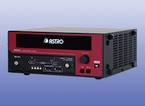
Why video cable testing matters in practical applications
Video signal chains often depend on more than one cable segment, adapter, patch point, or terminal connection. Even a small defect in one section can lead to intermittent image loss, unstable transmission, noise, handshake problems, or complete link failure. A cable tester provides a more direct way to verify the condition of the transmission path instead of replacing parts by trial and error.
In production facilities, AV installations, inspection systems, and laboratory setups, testing cables before and after deployment can reduce commissioning time and improve confidence in the overall system. It is also useful during preventive maintenance, where teams need to identify weak links before they affect operation.
What a video cable tester is used for
A video cable tester is typically used to check whether a cable connection supports proper signal continuity and whether the wiring path behaves as expected for the intended application. Depending on the setup, this can help technicians confirm connection integrity, identify wiring faults, and narrow down whether a problem comes from the cable, the source device, or downstream equipment.
This type of instrument is especially valuable when troubleshooting field installations with long cable runs or multiple interconnect points. Rather than assuming the cable is good because it appears physically undamaged, users can perform a structured verification process and make maintenance decisions based on measurable results.
Common use cases across video environments
Installation and commissioning is one of the most common use cases. Before a system goes live, technicians may need to verify newly assembled or newly routed cables to avoid startup delays caused by hidden faults. This is relevant in broadcast infrastructure, control rooms, digital signage, AV integration, and industrial visual inspection systems.
Fault finding and maintenance is another key area. When users report image instability or complete loss of signal, a cable tester helps isolate whether the issue lies in the physical connection path. It can save time compared with swapping multiple devices and can reduce unnecessary replacement of healthy components.
Video cable testing can also support quality control for spare cables and patch leads kept in inventory. In operations where many cables are moved, reconnected, or exposed to mechanical stress, regular testing helps maintain a more predictable signal environment.
How cable testing fits into a wider video measurement workflow
Testing a cable is often only one step in a broader diagnostic process. Once the physical path has been checked, users may continue with source verification, signal generation, waveform analysis, or endpoint evaluation depending on the system architecture and the fault symptoms.
For example, a cable tester may be used together with an video analyzer when teams need both physical link confirmation and deeper signal behavior assessment. In commissioning scenarios, it may also be practical to work alongside a video signal generator to inject a known reference signal and evaluate the transmission chain more systematically.
What to consider when selecting a cable tester
The right choice depends on the actual service and maintenance tasks your team needs to perform. A simple requirement may be basic confirmation of cable integrity, while more demanding workflows may require better support for repeated diagnostics, field mobility, and clearer interpretation of test outcomes. Selection should reflect the complexity of the video infrastructure rather than focusing only on instrument type.
It is also worth considering how the tester will be used in practice. Field technicians may prioritize quick setup and straightforward operation, while engineering teams may prefer tools that fit into a larger troubleshooting process. If your work regularly moves between link verification and broader analysis, related tools such as remote video testing devices can add flexibility in distributed environments.
Benefits for system integrators, service teams, and technical buyers
For integrators, cable testing helps reduce handover issues by confirming that transmission links are ready before final acceptance. For service teams, it supports faster root-cause analysis in the field and helps avoid unnecessary equipment replacement. For procurement and technical buyers, it can improve maintenance readiness by ensuring the right diagnostic tools are available for the installed base.
From an operational perspective, the main value lies in faster troubleshooting, more consistent maintenance, and better visibility into the health of the physical signal path. In environments where downtime affects production, broadcasting, or customer-facing systems, this kind of verification can be a practical part of risk reduction.
Related tools that may support deeper verification
While a cable tester focuses on the transmission path, some troubleshooting tasks require additional evaluation of image behavior or reference material. In those cases, teams may also look at tools such as a picture evaluation library for visual comparison workflows, depending on the broader test objective.
The most effective approach is usually to match each tool to a specific stage of diagnosis: cable verification for physical connectivity, signal generation for controlled input, and analysis equipment for deeper performance assessment. This creates a more efficient workflow than relying on a single instrument to solve every possible video issue.
Choosing with the application in mind
Not every video installation faces the same challenges. A compact test setup for short internal connections may need a different approach than a complex system with frequent reconnections, long cable paths, or high service demands. Looking at how often cables are installed, moved, or exposed to wear can help determine how important dedicated testing is for your operation.
If your work depends on stable video transport, investing in the right diagnostic workflow starts with understanding the physical layer. A suitable video cable tester can make that process more reliable, more repeatable, and easier to manage across installation and maintenance tasks.
For teams responsible for dependable video performance, cable testing is a practical foundation rather than an optional extra. By verifying the transmission path early and using supporting measurement tools where needed, you can reduce troubleshooting time, improve system confidence, and make more informed technical decisions.
-
-
-
-
-
-
-
-
-
-
-
-
-
-
-
-
-
-
-
-
-
-
-
-