

Transformer testing equipment Repair Service
Reliable transformer test results depend not only on the quality of the instrument, but also on its condition over time. In maintenance departments, testing labs, utilities, and industrial service teams, even a small deviation in measurement performance can affect troubleshooting, commissioning, and preventive maintenance decisions. That is why professional Transformer testing equipment Repair Service plays an important role in keeping electrical test instruments accurate, stable, and ready for field or workshop use.
Whether the equipment is used for routine transformer checks, fault investigation, acceptance testing, or condition assessment, repair work should focus on restoring dependable operation rather than only bringing the unit back to power-on status. A proper service process helps reduce downtime, supports repeatable measurements, and extends the useful life of specialized test equipment.
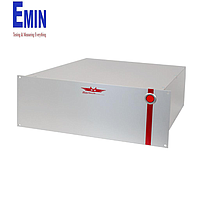
Why repair support matters for transformer testing instruments
Transformer testing equipment is often exposed to demanding working conditions, including transportation between sites, repeated connection cycles, variable environments, and long operating hours. Over time, these factors can contribute to worn connectors, unstable readings, display issues, charging problems, communication faults, or failures in internal measurement circuits.
A specialized repair service for transformer testing equipment helps address these issues before they lead to unreliable diagnostics or interrupted maintenance schedules. For organizations that depend on electrical test instruments as part of a larger asset management program, timely repair is often more practical than premature replacement.
Common issues seen in transformer testing equipment
The exact failure mode depends on the instrument design and how it is used, but many service cases involve a similar set of symptoms. Users may notice the unit does not start correctly, gives inconsistent measurement results, cannot complete a test sequence, or shows communication problems when transferring data.
Other cases are more physical in nature, such as damaged leads, worn terminals, broken buttons, cracked housings, loose connectors, or battery and power supply faults. In some situations, the equipment still appears operational, yet its performance drifts under load or during repeated measurements. These are the kinds of problems that require careful inspection, functional verification, and component-level troubleshooting where applicable.
What a professional repair process should include
Effective service begins with a structured technical evaluation. This usually includes symptom review, visual inspection, basic safety checks, and functional testing to identify whether the problem is related to power, user interface, internal boards, signal processing, or measurement stability. For complex instruments, fault isolation is essential because visible symptoms do not always point to the root cause.
After diagnosis, repair work may involve restoring damaged assemblies, replacing failed parts where appropriate, resolving interface problems, and verifying that the unit operates normally across its intended functions. The final stage should include post-repair performance verification so the instrument can return to service with greater confidence. In practice, this matters just as much as the repair itself.
Supporting maintenance, testing, and asset reliability
Transformer testing devices are commonly used as part of broader electrical maintenance workflows. When one key instrument is unavailable or unreliable, it can delay inspection plans, shutdown activities, or acceptance testing. A dependable repair service therefore supports not only the instrument, but also the wider maintenance schedule behind it.
For teams working with multiple electrical testers, it is often useful to align service planning across related instruments. For example, organizations that also maintain low-ohm measurement tools may benefit from reviewing available support for low resistance meter repair. In high-voltage test environments, repair capability for withstand voltage test equipment can also be relevant within the same maintenance ecosystem.
When to consider repair instead of replacement
Not every instrument problem justifies replacing the entire unit. In many cases, the core platform remains valuable, especially when the equipment is already integrated into established procedures, reporting formats, accessories, or operator training. Repair can be a sensible option when the fault is isolated, the instrument remains suitable for current testing tasks, and restoring operation is more efficient than sourcing a replacement.
This approach is particularly relevant for specialized test equipment that is not used like a general-purpose handheld meter. Keeping existing assets in service can help control costs, minimize workflow disruption, and preserve familiarity for technical staff. The key is ensuring the repair outcome restores dependable function rather than masking a deeper performance issue.
Choosing the right service scope
Service needs can vary from straightforward hardware restoration to deeper diagnostic work on measurement behavior and operational stability. Before sending a unit for service, it is helpful to document the observed symptoms, testing conditions, error messages, and any changes in performance over time. This information can shorten diagnosis time and improve repair accuracy.
It may also be worth considering whether other electrical test instruments in the same fleet need attention at the same time. For example, teams involved in cable diagnostics may also need support for cable fault tester repair services, while facilities handling protective device testing may review options for breaker testing equipment repair. Coordinating related service work can simplify maintenance planning.
Practical benefits of timely repair
Repairing transformer testing equipment at the right time helps reduce unplanned downtime and lowers the risk of working with questionable readings. It also supports more consistent test workflows, especially in environments where instrument availability affects project schedules, outage windows, or service commitments.
From an asset management perspective, timely instrument repair can improve equipment utilization and reduce the disruption caused by repeated intermittent failures. Instead of waiting for complete failure, organizations often gain better operational continuity by addressing problems early, while symptoms are still identifiable and the scope of damage may be more limited.
Keep transformer testing equipment ready for dependable use
When electrical testing work depends on stable, trustworthy instruments, repair quality matters. A well-executed service process helps restore function, supports reliable measurement performance, and keeps critical maintenance activities moving without unnecessary interruption.
If your team relies on transformer testing instruments for inspection, diagnostics, or maintenance, choosing a focused Transformer testing equipment Repair Service is a practical step toward extending equipment life and maintaining confidence in day-to-day testing operations.
-
-
-
-
-
-
-
-
-
-
-
-
-
-
-
-
-
-
-
-
-
-
-
-