

Phase Angle Meter Repair Service
Accurate phase relationship measurement is critical in power systems, protection testing, and electrical troubleshooting. When a phase angle meter begins to drift, display unstable readings, or fails to synchronize correctly, even routine verification work can become unreliable. A dedicated Phase Angle Meter Repair Service helps restore measurement confidence and supports safer, more consistent testing in industrial and utility environments.
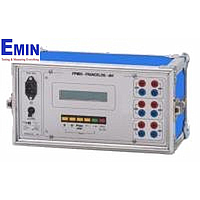
Why phase angle meter performance matters
Phase angle meters are used to compare the angular relationship between electrical signals, typically voltage-to-voltage or voltage-to-current, depending on the application and instrument design. In many test setups, this measurement supports fault diagnosis, commissioning checks, relay testing, synchronization work, and broader power quality analysis.
Because these instruments are often used to confirm timing and signal relationships, small errors can lead to incorrect interpretation of system behavior. Repair service is therefore not only about fixing a non-working unit, but also about bringing the instrument back to a condition where measurement stability and dependable operation are possible in real field or lab use.
Common issues that may require repair
A phase angle meter can develop problems gradually or fail suddenly after transport, electrical stress, aging components, or intensive field use. Some units show clear symptoms such as power failure, missing display segments, damaged input terminals, or communication issues. Others still power on but produce inconsistent angle readings, unstable values, or poor response during measurement.
Repair may also be needed when the instrument cannot complete normal setup, loses reference alignment, or behaves differently under load compared with previous use. In practice, many users send units for service when they notice unexplained deviations during comparison checks with other electrical test equipment.
For organizations maintaining a broader fleet of power test instruments, related service needs may also involve withstand voltage test repair or support for breaker testing equipment, especially when multiple devices are used together in maintenance workflows.
What a repair service typically addresses
A professional service process for this type of instrument usually begins with fault evaluation. This may include checking power circuitry, input channels, display and interface behavior, signal processing sections, connectors, internal wiring, and overall functional response under known test conditions.
Depending on the instrument condition, service work may involve component-level troubleshooting, correction of damaged input paths, replacement of worn internal parts, restoration of controls or connectors, and verification that the unit responds properly across its intended operating functions. The goal is to recover functional accuracy, reliable signal handling, and practical usability rather than only restoring power-on status.
When to send a unit for repair
It is usually wise to arrange service when measurement uncertainty starts affecting decision-making in the field. If technicians need to repeat tests frequently, compare with backup instruments, or question whether observed phase differences are real, the meter may already be due for inspection and repair.
Visible physical damage is another clear trigger. Cracked housings, loose terminals, damaged leads, unstable controls, and signs of overheating should not be ignored, particularly in electrical testing applications where safe input handling matters. Early repair can help prevent a minor issue from becoming a more expensive failure.
In maintenance departments that also rely on other specialized diagnostic instruments, it may be practical to review related service categories such as cable fault tester repair service when troubleshooting assets across the same electrical infrastructure.
Benefits of professional repair for industrial users
For B2B users, repair service is often less about convenience and more about maintaining test capability, minimizing downtime, and protecting maintenance quality. A properly serviced phase angle meter can help teams continue commissioning, inspection, and diagnostic work without unnecessary delays caused by uncertain instrument behavior.
Professional repair also supports equipment lifecycle management. Instead of replacing every unit that shows degraded performance, companies can evaluate whether restoration is technically and economically reasonable. This is especially relevant for organizations that standardize procedures around familiar instruments and want to preserve workflow consistency for technicians and engineers.
How phase angle meter repair fits into a wider electrical test program
Phase angle measurement rarely exists in isolation. It is commonly part of a larger maintenance and verification ecosystem that may include insulation testing, resistance measurement, breaker analysis, and high-voltage testing. When one instrument becomes unreliable, it can affect the interpretation of results from other devices used in the same job.
That is why many maintenance teams review service needs across several instrument types at the same time. For example, if your workflow includes condition checks on insulating systems, it may also be useful to look at insulating materials tester repair service to keep related test capabilities in working order.
Choosing the right service approach
When selecting a repair option, it helps to consider the instrument’s role in your operation, the severity of the fault, and the impact of downtime on maintenance schedules. A good repair path should focus on diagnosis quality, practical restoration of the instrument’s core functions, and suitability for the actual applications where the unit is used.
It is also helpful to provide a clear fault description when sending the equipment in. Information such as unstable readings, startup failures, intermittent channel response, or issues that appear only under specific test conditions can make troubleshooting more efficient and improve the repair outcome.
Support more reliable electrical measurement
When phase relationship measurements are part of critical testing work, instrument condition has a direct effect on data quality and technician confidence. A well-handled repair service can restore dependable operation, reduce uncertainty in electrical diagnostics, and help keep your broader testing program on track.
If your instrument shows signs of drift, instability, or hardware damage, arranging a dedicated Phase Angle Meter Repair Service is a practical step toward safer, more consistent electrical testing and better long-term use of your existing equipment.
-
-
-
-
-
-
-
-
-
-
-
-
-
-
-
-
-
-
-
-
-
-
-
-