

Insulating oil testing equipment Repair Service
Reliable oil analysis depends not only on the test method, but also on the condition of the instrument performing it. When insulating oil test equipment begins to drift, respond slowly, or produce inconsistent results, maintenance and repair become essential for preserving confidence in transformer oil assessment, dielectric testing workflows, and routine electrical asset diagnostics.
Our Insulating oil testing equipment Repair Service is intended for organizations that rely on stable, repeatable performance from electrical testing instruments used in oil condition evaluation. Whether the issue involves measurement instability, control failure, aging components, or general wear from regular field and laboratory use, a structured repair process helps restore equipment function and reduce unnecessary replacement.
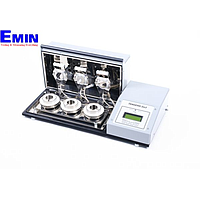
Why repair matters for insulating oil testing equipment
Insulating oil testing instruments are often used in maintenance programs where decisions depend on dependable results. If the equipment is not operating correctly, it can affect trend analysis, acceptance checks, and routine inspection tasks tied to transformer and insulation system reliability.
Repair service is especially important when equipment shows signs such as unstable readings, startup issues, abnormal test interruptions, damaged interfaces, or inconsistent operation between repeated tests. In these situations, restoring the unit to proper working condition can help maintain measurement consistency and support safer, more efficient maintenance planning.
Common service needs in this category
Equipment used for insulating oil testing may experience faults related to power sections, control boards, displays, switches, connectors, internal wiring, or mechanical parts affected by transport and repeated operation. Over time, contamination, component aging, and electrical stress can also reduce reliability even when the unit still powers on.
A repair service for this category typically addresses functional faults rather than simply cosmetic issues. The goal is to identify the root cause of poor performance, restore stable operation, and verify that the instrument is ready to return to service in demanding industrial environments.
Typical applications and operating environments
These instruments are commonly used by utilities, transformer service teams, electrical maintenance contractors, industrial plants, and testing laboratories. In many cases, they operate in environments where uptime, traceability, and repeatable testing procedures are important to equipment health programs.
Because insulating oil testing equipment may be moved between sites or used across varied conditions, wear can develop gradually and go unnoticed until results become questionable. A timely repair response helps reduce disruption to oil testing routines and supports continued use of existing assets where repair remains practical.
What to expect from a professional repair approach
A structured service process usually begins with fault assessment and inspection of the unit’s main functional sections. This may include checking power behavior, test control response, signal stability, user interface condition, and other areas that influence overall instrument performance.
After diagnosis, repair work focuses on correcting the identified problem and confirming that the equipment operates normally again. For organizations managing multiple electrical test assets, this type of service is often most valuable when combined with a broader maintenance strategy covering related instruments such as withstand voltage test repair support and cable fault tester repair service.
How to identify when repair is the right choice
Not every fault requires immediate replacement. If the equipment is still relevant to your workflow, repair can be a practical option when the instrument has known behavior changes, intermittent faults, failed controls, or signs of inaccurate operation but remains fundamentally serviceable.
Users often seek repair when they need to restore a trusted instrument quickly, keep procedures consistent across sites, or avoid process changes associated with replacing an existing unit. In many maintenance programs, repair versus replacement is evaluated based on downtime, application criticality, and the role of the instrument in ongoing inspection work.
Related electrical tester repair services
Insulating oil testing equipment is part of a wider ecosystem of electrical test and diagnostic tools. Depending on your maintenance scope, it may be useful to review repair options for other instruments that support insulation integrity, circuit verification, and electrical safety testing.
For example, organizations handling broader electrical maintenance may also require low resistance meter repair for continuity and contact checks, or insulating materials tester repair service for related insulation evaluation tasks. Linking these service categories can help maintenance teams manage repair needs more efficiently across multiple instrument types.
Information that helps streamline the service process
Before submitting a unit for service, it is helpful to record the observed fault symptoms, operating behavior, and any recent events such as transport impact, irregular power conditions, or test interruptions. Clear fault descriptions can shorten troubleshooting time and improve the efficiency of the repair workflow.
Users may also benefit from noting whether the issue is constant or intermittent, whether it appears during startup or during a test cycle, and whether the problem affects controls, display behavior, output stability, or repeatability. This kind of detail supports a more focused diagnosis and helps return the equipment to reliable working condition with less delay.
Supporting long-term use of critical test equipment
Well-maintained test instruments remain an important part of cost-effective asset management in utilities and industry. For insulating oil testing equipment, repair service helps extend usable life, reduce avoidable downtime, and preserve continuity in established testing procedures.
If your instrument is showing abnormal behavior or no longer delivering dependable operation, a focused repair service can be a practical next step. Restoring function through a professional repair process helps keep oil testing activities on track and supports more dependable electrical maintenance decisions.
-
-
-
-
-
-
-
-
-
-
-
-
-
-
-
-
-
-
-
-
-
-
-
-