

High-pressure Test Equipment Repair Service
Unexpected downtime in high-voltage testing can delay maintenance schedules, interrupt commissioning work, and create unnecessary safety risks. When pressure test instruments begin to show unstable output, inaccurate readings, insulation issues, or control faults, a structured High-pressure Test Equipment Repair Service helps restore reliable operation and supports safer electrical testing workflows.
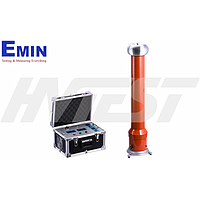
This service category is intended for organizations that rely on high-pressure or high-voltage test equipment in industrial plants, utilities, laboratories, field service teams, and electrical maintenance environments. Rather than treating every fault as a simple component replacement, repair work should focus on the full condition of the instrument, including output stability, insulation integrity, control response, display behavior, safety circuits, and overall measurement consistency.
Why repair quality matters for high-pressure test equipment
High-pressure electrical test instruments operate in applications where test reliability and operator protection are closely connected. If a unit cannot maintain stable output, trips unexpectedly, or shows signs of insulation degradation, the problem affects more than productivity. It can also reduce confidence in test results and complicate compliance, troubleshooting, or acceptance testing.
A professional repair process helps identify faults that may not be obvious during routine use. Symptoms such as abnormal leakage behavior, inconsistent ramp-up, control panel malfunction, unstable indication, or failure to hold test conditions often point to deeper electrical or mechanical issues. Proper service aims to return the equipment to dependable working condition so it can be used with greater confidence in demanding testing environments.
Common issues addressed during service
Repair needs vary depending on equipment design and operating history, but several fault patterns are common in this category. Instruments used frequently in field or plant conditions may experience wear from transport, dust, humidity, power disturbances, or repeated high-stress test cycles.
- Output instability or inability to reach the required test level
- Unexpected shutdown, tripping, or protection circuit errors
- Display, indicator, switch, or control interface malfunction
- Insulation deterioration, internal arcing, or abnormal leakage behavior
- Connector, cable, or terminal damage affecting safe operation
- Inconsistent performance after storage, transport, or extended use
In many cases, these issues are interconnected. A visible symptom at the front panel may originate from internal power stages, control boards, wiring, protection components, or degraded insulation paths. That is why effective repair work usually begins with careful fault isolation instead of replacing parts based only on surface symptoms.
What a repair service typically involves
A thorough equipment repair service for high-pressure testers generally includes inspection, diagnosis, corrective repair, functional verification, and safety-focused checks before the unit is returned to use. The goal is not only to make the equipment power on again, but to restore stable and predictable operation under realistic conditions.
Depending on the fault, service activities may involve checking internal assemblies, evaluating electrical connections, identifying failed or stressed components, inspecting high-voltage sections, and verifying that controls respond correctly throughout the operating cycle. For equipment used as part of a broader electrical testing program, it may also be useful to review related service needs such as withstand voltage test repair support where application overlap exists.
For organizations managing several instrument types, repair planning often works best when considered as part of an overall maintenance strategy. Equipment that shares similar electrical stress conditions or inspection routines may benefit from coordinated servicing alongside areas such as breaker testing equipment repair.
Applications where dependable performance is essential
High-pressure test equipment is commonly used in environments where electrical insulation, dielectric strength, or system readiness must be evaluated before energization or return to service. In these settings, even a small fault in the tester can lead to repeated testing, uncertain results, or avoidable project delays.
Typical users include maintenance teams in power distribution, manufacturing plants, switchgear service operations, panel builders, test laboratories, and contractors involved in installation or commissioning work. For these users, stable high-voltage output, predictable control behavior, and clear indication are basic requirements. Repair service becomes especially important when instruments are part of scheduled shutdowns or acceptance testing activities with limited time windows.
How to decide when repair is the right next step
Not every problem appears as a complete failure. In many cases, equipment continues to operate while showing warning signs such as drifting behavior, inconsistent startup, intermittent alarms, or unusual sounds and smells during testing. These symptoms should be evaluated early, because continued use can sometimes worsen internal damage or increase safety concerns.
Repair is typically worth considering when the instrument remains operationally relevant to current work, the fault can be diagnosed in a targeted way, and restoring the unit supports faster return to service than replacement. A structured service approach is also useful when teams need to distinguish between equipment failure and application-related issues in the field.
If your operation uses multiple electrical test instruments, it can also be practical to review adjacent service categories. For example, some maintenance programs combine this work with cable fault tester repair services or related insulation-focused equipment support, depending on the installed asset base and test procedures.
Benefits of a structured service approach
The main value of repair is not only cost control. A well-executed service process can improve equipment availability, reduce repeated troubleshooting, and support more consistent testing results across maintenance or commissioning tasks. This is especially important for organizations that depend on a limited number of specialized instruments.
From an operational perspective, fault diagnosis and corrective repair help maintenance teams make better decisions about asset readiness. Instead of working around unstable equipment or accepting questionable performance, users can return the tester to a more dependable state and integrate it back into routine workflows with clearer expectations.
Choosing service with the right technical focus
High-pressure electrical test devices require more than general electronics repair. Because they operate with elevated voltage stress and safety-critical functions, service should be approached with attention to insulation condition, output control behavior, protective circuits, and the interaction between the power section and the user interface.
For companies that maintain a wider portfolio of electrical test instruments, it may be useful to align repair by application area. In some cases, teams also need support for devices used in resistance or insulation workflows, such as low resistance meter repair, to keep the broader test ecosystem functioning efficiently.
When high-pressure test equipment starts showing instability, abnormal output behavior, or signs of internal electrical stress, timely repair can help protect both the instrument and the work process around it. A focused repair service supports safer use, more reliable test performance, and better continuity for maintenance, inspection, and commissioning activities that depend on accurate high-voltage testing.
-
-
-
-
-
-
-
-
-
-
-
-
-
-
-
-
-
-
-
-
-
-
-
-