

Phosphate Meter Inspection Service
Reliable phosphate measurements matter wherever water quality, nutrient balance, or process control must be verified with confidence. When a meter is used for routine checks in laboratories, utilities, aquaculture, food processing, or environmental monitoring, periodic inspection helps confirm that the instrument is still operating as expected and remains suitable for day-to-day use.
Phosphate Meter Inspection Service is intended for users who need a practical way to assess the condition and measurement performance of phosphate testing instruments. It supports maintenance planning, helps identify drift or functional issues, and makes it easier to decide whether a device can continue in service or requires further calibration, adjustment, or repair.
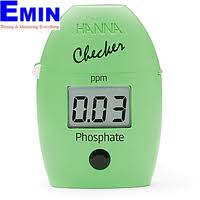
Why phosphate meter inspection is important
Phosphate is a key parameter in many water and process applications because it can indicate contamination, nutrient concentration, treatment efficiency, or compliance-related conditions. If the meter reading is unstable or no longer trustworthy, operational decisions based on that value may become less reliable.
A structured inspection helps verify the overall condition of the instrument, from basic functionality to measurement response. In practice, this is useful for organizations that depend on traceable maintenance workflows, preventive service scheduling, or consistent instrument performance across multiple sites.
What this service typically helps users evaluate
Inspection of a phosphate meter is generally focused on whether the device can still perform its intended measurement task in a stable and repeatable way. This may include review of the instrument’s operating status, visible condition, response behavior, and other practical checkpoints relevant to routine use.
For B2B users, the value of inspection often goes beyond a single test result. It supports instrument condition assessment, reduces uncertainty before field deployment, and helps quality teams manage equipment in a more systematic way. If your workflow includes other environmental instruments, related services such as inspection for ion measurement electrodes in water may also be relevant in a broader maintenance program.
Typical applications that require routine checks
Phosphate meters are commonly used where water chemistry must be monitored on a regular basis. This includes incoming water checks, wastewater control points, aquaculture systems, research environments, and production processes where nutrient concentration can influence product quality or environmental performance.
In these settings, inspection is especially helpful when instruments are used frequently, transported between locations, or exposed to demanding operating conditions. Routine review can also support facilities that maintain several types of test equipment, including devices covered by services such as water activity meter inspection or dew point meter inspection.
Supported brands and example service options
This category includes inspection service options for several widely used brands in portable and laboratory water testing. Available examples include service entries for HANNA, MILWAUKEE, and HUMAS instruments, allowing buyers to select a service path that matches their installed equipment base.
Representative options in this category include HANNA Phosphate Meter Inspection Service, MILWAUKEE Phosphate Meter Inspection Service, and HUMAS Phosphate Meter Inspection Service. These examples help illustrate brand coverage within the category without limiting the page to a single device family or usage scenario.
How to choose the right inspection service
The most effective starting point is to match the service with the actual instrument brand and the condition of the device in use. If the meter has been stored for a long period, used in harsh environments, or shows inconsistent readings, inspection can help determine whether the issue is related to wear, handling, measurement response, or a need for additional service steps.
Buyers should also consider internal quality requirements such as maintenance intervals, equipment downtime planning, and documentation needs. A well-chosen inspection service can support both routine preventive maintenance and troubleshooting when measurement confidence begins to decline.
Who this category is suited for
This service category is relevant for laboratories, factories, environmental monitoring teams, service departments, and technical purchasers managing measuring equipment fleets. It is especially useful where phosphate readings are part of regular operational checks and where instruments must remain dependable over repeated use cycles.
It also fits organizations that prefer a more structured service approach instead of waiting for complete failure. Periodic inspection supports equipment reliability, better maintenance visibility, and more informed decisions about continued use, recalibration, or replacement planning.
Maintaining confidence in phosphate measurement workflows
Choosing the right phosphate meter inspection option helps keep measurement processes organized and reduces the risk of relying on instruments with unknown condition. Whether you are managing a single handheld tester or multiple units across different teams, regular inspection provides a practical checkpoint for performance and serviceability.
Within this category, users can review suitable options by brand and application context, including services for HANNA, MILWAUKEE, and HUMAS equipment. A consistent inspection routine is a straightforward way to support measurement confidence and maintain smoother operation across water quality monitoring activities.
-
-
-
-
-
-
-
-
-
-
-
-
-
-
-
-
-
-
-
-
-
-
-
-