

Nitrite Meter Inspection Service
Reliable nitrite measurement is important anywhere water quality affects product safety, process control, or environmental compliance. When a meter is used to verify nitrite concentration, periodic inspection helps confirm that the instrument is operating as expected and that measurement results remain dependable in day-to-day work.
Nitrite Meter Inspection Service is intended for users who need a practical way to assess the condition and performance of their measurement equipment. This is especially relevant in laboratories, water treatment operations, food and beverage processes, aquaculture, and other technical environments where nitrite values can influence operational decisions.
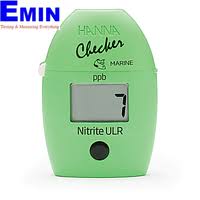
Why inspection matters for nitrite meters
A nitrite meter is only useful when its readings can be trusted within the context of the application. Over time, sensors, optical parts, reagents, electronic circuits, and general instrument condition may change due to normal use, storage conditions, handling, or exposure to challenging samples. Inspection helps identify whether the device is still suitable for continued operation.
For many B2B users, inspection is not just a maintenance task. It supports measurement reliability, reduces the risk of questionable test results, and provides a clearer basis for deciding whether the instrument should remain in service, receive further maintenance, or be replaced. This becomes even more important when measurements are part of internal quality procedures or routine environmental monitoring.
What this service is typically used for
Nitrite meters are commonly used where water chemistry needs to be monitored consistently. In these settings, inspection services help users verify the condition of portable or bench instruments that may be exposed to repeated testing cycles, transport between sites, or frequent handling by different operators.
The service is relevant for organizations that want to keep their monitoring program stable over time. It can also be useful before internal audits, after long storage periods, or when an instrument appears to respond slowly, drift unexpectedly, or produce readings that do not align with process expectations.
Typical points checked during instrument inspection
While the exact workflow depends on the instrument design, inspection generally focuses on the overall status of the meter and the core functions needed for dependable use. This may include the display, buttons, connectors, measurement response, and the general physical condition of the unit.
For nitrite measurement devices, attention is often placed on how the instrument behaves during normal operation and whether there are signs that could affect measurement consistency. In practical terms, inspection helps reveal wear, abnormal behavior, or other conditions that may reduce confidence in the instrument during routine testing.
Users who manage multiple environmental instruments may also benefit from reviewing related services such as inspection for ion measurement electrodes in water when their workflow includes broader water analysis tasks.
Representative services available in this category
This category includes inspection options for instruments from recognized manufacturers used in nitrite testing workflows. Examples include the HANNA Nitrite Meter Inspection Service and the HUMAS Nitrite meter Inspection Service, which illustrate the type of support available for commonly used devices.
Where manufacturer-specific support is relevant, users may also explore equipment from HANNA or HUMAS to align inspection planning with the instruments already deployed in their facility. This can be helpful for organizations standardizing maintenance activities across several devices from the same supplier.
How to choose the right nitrite meter inspection option
The most suitable service usually depends on the instrument brand, the model family in use, and the role the meter plays in the process. A handheld tester used for periodic field checks may have different service priorities than a frequently used laboratory unit that supports routine analytical work.
It is also useful to consider the instrument’s usage history. A device that has seen heavy use, harsh sample conditions, or long intervals without review may benefit from inspection sooner than one used only occasionally. Choosing the right service starts with matching the inspection scope to the actual operating conditions of the meter.
If your site manages several types of environmental instruments, related service categories such as water activity meter inspection service can help support a more complete maintenance plan across different measurement points.
Who should consider periodic inspection
This service is suitable for quality control teams, laboratory operators, environmental monitoring staff, maintenance departments, and technical buyers responsible for keeping test equipment in working order. It is particularly relevant where nitrite values are used to support process decisions, product checks, or routine reporting.
Periodic inspection can also help organizations with multiple users and shared equipment. In these environments, instruments may experience inconsistent handling or more frequent use, making regular review a practical way to maintain confidence in the condition of the device over time.
Supporting a broader instrument management strategy
Nitrite meter inspection works best when it is part of a broader equipment management approach rather than an isolated action. Keeping inspection intervals organized, documenting instrument condition, and reviewing service needs across similar devices can make maintenance planning more efficient.
For facilities that monitor several environmental parameters, it may be useful to coordinate nitrite meter inspection alongside services for other instruments such as light meters or sound level meters where those tools are also part of routine site control. This approach helps create a more consistent service schedule across departments.
Final considerations
Choosing a suitable inspection service for a nitrite meter is ultimately about protecting the quality of your measurement workflow. A well-timed inspection can help identify instrument issues early, support more stable operation, and give technical teams a clearer picture of whether the device is still ready for routine use.
Whether you are maintaining a single meter or managing a larger portfolio of environmental instruments, this category provides a focused starting point for keeping nitrite measurement equipment in proper working condition. Reviewing the available service options by brand and application can help you select the most appropriate path for your operational needs.
-
-
-
-
-
-
-
-
-
-
-
-
-
-
-
-
-
-
-
-
-
-
-
-