

Floor Slab Thickness Meter Calibration Service
Reliable thickness readings are essential when evaluating concrete floor slabs in buildings, parking structures, industrial facilities, and civil works. When a floor slab thickness meter begins to drift, the result can affect inspection confidence, acceptance decisions, and the quality of structural assessment records. This is why a professional Floor Slab Thickness Meter Calibration Service plays an important role in maintaining measurement consistency and traceability.
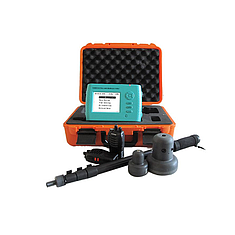
Why calibration matters for slab thickness measurement
Concrete thickness measurement is often used in non-destructive testing workflows to verify slab conditions without extensive coring or destructive intervention. In this context, even a small measurement deviation can influence maintenance planning, quality control, or structural evaluation. Regular calibration helps confirm that the instrument is performing within expected limits and that the readings remain dependable over time.
A proper calibration process also supports better comparison between different inspection periods, operators, and job sites. For contractors, testing laboratories, consultants, and infrastructure owners, this improves confidence in field data and reduces the risk of decisions being made from inaccurate measurements.
Typical applications of floor slab thickness meters
These instruments are commonly used where slab geometry must be checked as part of construction verification or condition assessment. Typical use cases include concrete floors in commercial buildings, bridge decks, pavements, prefabricated elements, and reinforced concrete structures where thickness is linked to design compliance, durability, or load performance.
Because thickness measurement is often part of a broader inspection program, calibration should be considered alongside other concrete and reinforcement testing activities. If your workflow also includes rebound testing or internal flaw evaluation, related services such as concrete test hammer calibration or concrete ultrasonic detector calibration may also be relevant.
What is included in a calibration service
A calibration service for slab thickness meters is intended to verify measuring performance against known references and to identify whether the device continues to operate as expected. Depending on the instrument type and condition, the service may involve inspection of measurement response, functional checks, and confirmation of reading behavior across the applicable range.
Beyond measurement verification, calibration can also help identify issues related to sensor performance, handling damage, aging components, or general stability. For organizations that rely on routine field testing, this makes calibration not just a documentation requirement but a practical maintenance step that helps reduce downtime and unexpected measurement errors.
Supported brands and representative instruments
This category covers calibration support for representative instruments from established manufacturers used in concrete testing workflows. Examples include the SJJW Floor Slab Thickness Meter Calibration Service from Jeweltest and the TIME Concrete Thickness Gauge Calibration Service from TIME. These examples show the type of equipment typically associated with this service category.
For buyers managing mixed-brand fleets, brand-specific support can be useful when planning maintenance schedules across multiple projects or testing teams. The key objective remains the same: keeping slab thickness measurement equipment in a condition suitable for dependable inspection work.
How to decide when calibration is needed
Calibration intervals are usually influenced by frequency of use, site conditions, internal quality procedures, and the criticality of the measurement task. Instruments used heavily on construction sites or in demanding inspection environments may require more frequent verification than units used occasionally in controlled conditions.
It is also wise to arrange calibration when there are signs of abnormal readings, after impact or transportation damage, after long storage, or before major inspection campaigns. If your teams also use reinforcement location tools, coordinating service with cover meter and rebar detector calibration can help maintain consistency across related test methods.
Choosing the right service for your testing workflow
When selecting a service provider or service scope, it helps to consider the instrument model, the intended application, and the documentation needs of your organization. Testing labs may prioritize traceable records and repeatability, while contractors may focus on keeping field instruments ready for ongoing projects with minimal disruption.
It is also useful to review the wider inspection ecosystem around the device. Floor slab thickness measurement is often only one part of a broader concrete assessment process that may include reinforcement detection, corrosion checks, or permeability-related testing. Planning calibration as part of an integrated equipment management routine can simplify scheduling and improve overall data quality.
Benefits for contractors, consultants, and testing labs
For construction and inspection professionals, regular calibration supports measurement reliability, better reporting quality, and stronger confidence in site decisions. It also helps organizations align with internal quality systems and client expectations where documented instrument control is required.
In practical terms, calibrated equipment can reduce rework, limit disputes over test results, and improve the credibility of inspection findings. Whether the instrument is used for acceptance testing, maintenance planning, or structural investigation, dependable thickness measurement is easier to achieve when calibration is treated as a routine part of equipment care.
Final considerations
Choosing a suitable Floor Slab Thickness Meter Calibration Service is less about checking a box and more about protecting the quality of your concrete inspection data. For users working with slab thickness gauges from brands such as TIME or Jeweltest, regular calibration helps keep field measurements consistent, practical, and trustworthy.
If slab thickness evaluation is part of your broader concrete testing program, it is worth reviewing related instrument categories and planning calibration proactively rather than waiting for questionable readings in the field. A well-maintained instrument fleet supports smoother inspections, more reliable documentation, and better-informed technical decisions.
-
-
-
-
-
-
-
-
-
-
-
-
-
-
-
-
-
-
-
-
-
-
-
-